William Kumprey, MD, brings medicine, elite athletics, coaching, family, and faith into one practical pursuit: helping people become the best version of who God created them to be.
03The whole person. Performance that serves a larger purpose.
The first book
More than performance.
Today’s athletes have more data, tools, and advice than ever—and still struggle to know what matters. The Optimized Athlete turns that noise into a coherent system for building health, performance, character, and purpose.
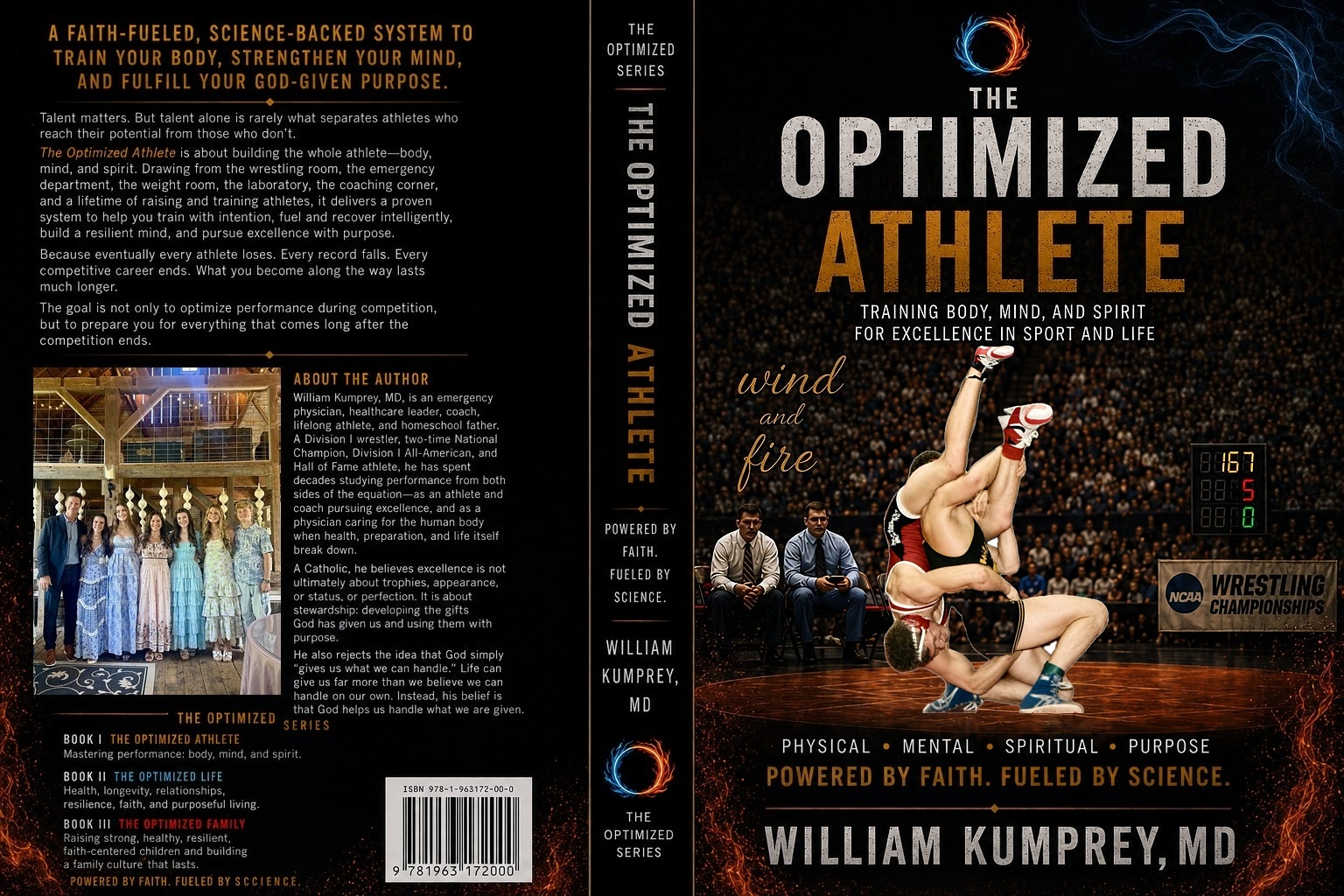
The Optimized Athlete · Full-wrap cover
Manuscript in development
A system for the athlete—and the life beyond the scoreboard.
This is not a collection of shortcuts. It is an evidence-aware, experience-tested framework for athletes, parents, and coaches who want to train wisely, recover fully, compete with courage, and keep the person ahead of the performance.
Faith and science have never been opposing teams in my life.
Science helps me study the created world. It teaches me to measure, compare, question, test, and revise. It helps explain how sleep supports recovery, how training creates adaptation, how nutrition supplies demand, how injury changes capacity, and how an intervention can help, harm, or do nothing at all. Good science requires humility because every honest answer also reveals the limits of what we know.
Faith answers questions a laboratory cannot settle for me. Why does truth matter? What are my gifts for? What gives a person value when performance disappears? Whom do I serve? Where do I stand when suffering does not resolve according to plan?
My faith does not relieve me of the responsibility to investigate. Science does not relieve me of the responsibility to discern. I pray, study, listen, measure, and decide. When new evidence corrects an old conclusion, I should be grateful for the correction. Truth does not threaten God.
The practical method: Optimization is not finding the perfect answer. It is building a reliable process for finding the best answer you can—for this person, for this purpose, at this point in time—and being willing to change it when the evidence changes. Ask it. Test it. Track it. Tweak it. Match supply to demand.
Selected passages from The Optimized Athlete
A practical sample from the book
Creatine—and a method you can reuse.
P3 Person · Purpose · Point in timeAT3 Ask · Test · Track · Tweak
The book does not hand readers a permanent list of “good” and “bad” products. It teaches a process for evaluating any supplement, device, performance claim, or situation. The categories classify a specific claim for a specific person and purpose—not the object forever.
Creatine monohydrate is a useful example. It is one of the better-studied sports supplements and can support repeated high-intensity work. It does not create talent, replace the fundamentals, or belong in every plan.
Green Supported
Evidence-based creatine monohydrate from a reputable, third-party-tested source; used by an appropriate healthy athlete for a defined strength, power, or repeated-effort goal—with sleep, food, hydration, and training already in place.
Yellow Use with context
A low-risk, trackable trial may be reasonable, but the athlete’s age, medical history, sport, goal, and timing matter. A weight-class athlete, for example, must account for the muscle water—and possible scale weight—that may come with use.
Orange Marketing ahead of evidence
Proprietary blends, exaggerated promises, unclear purity, unnecessary megadoses, or claims that creatine can compensate for poor sleep, inadequate nutrition, or an incoherent training plan. Slow down and ask harder questions.
Red Stop or avoid
Adulterated or prohibited products, an important medical contraindication, unsafe weight-cutting, or using a supplement to ignore symptoms or delay needed care. Health, safety, ethics, and clean sport come first.
The lesson: The color belongs to the use—not the product alone. Creatine is the example; the method applies to recovery devices, wearables, diets, training loads, injuries, and medical claims. The evidence may change. The system should endure.
Adapted from The Optimized Athlete · The Stoplight—With Four Colors
A durable foundation
Rock. Wind. Fire.
Three images carry the book’s central rhythm: build on what lasts, recover and listen, then act with disciplined intensity. Each matters. None works well alone.
R
Foundation
Rock
Faith, identity, character, and principles strong enough to hold when outcomes do not go as planned.
W
Renewal
Wind
Breath, recovery, adaptability, and the humility to pause, listen, learn, and change course.
F
Action
Fire
Passion directed by purpose—the disciplined work that turns knowledge and conviction into practice.
From the book
Stewardship, Not Perfection
I believe our bodies, abilities, opportunities, relationships, and time are gifts. Optimization, then, is stewardship. It is not vanity. It is not perfection. It is not becoming obsessed with appearance, status, or performance.
It is asking: What have I been given? What is being asked of me? How can I develop these gifts responsibly? How can I use them in service of something larger than myself?
Athletic talent becomes something to develop, not worship. Health becomes something to protect, not assume. Strength becomes something to use. Knowledge creates accountability.
From Chapter 1 · What Does It Mean to Be Optimized?
About William
Medicine, sport, family, and faith—lived together.
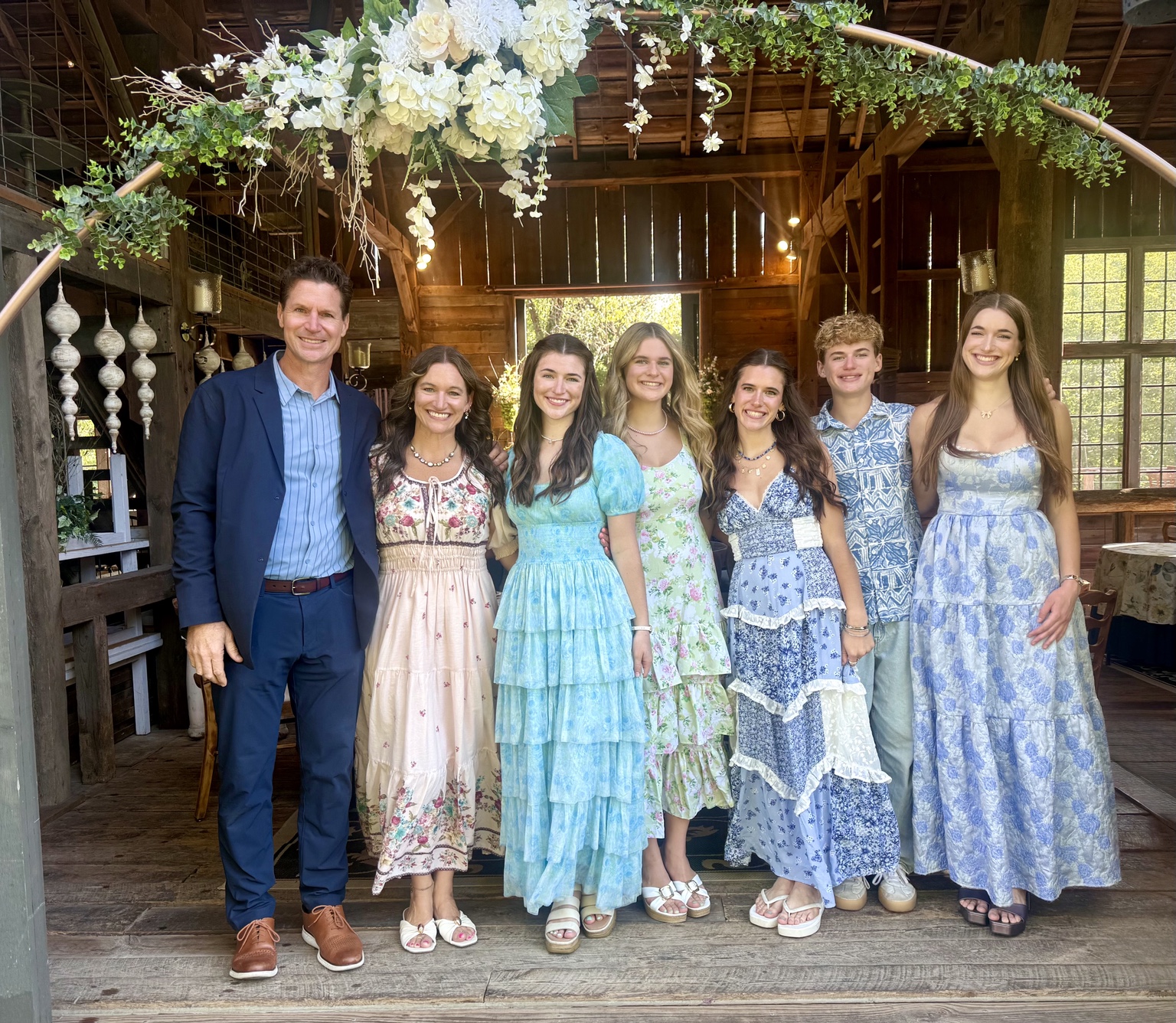
William Kumprey, MD, is an emergency physician and healthcare leader who has spent his career making complex decisions under pressure. Long before medicine, wrestling taught him the power—and the limits—of discipline. Coaching—and raising five remarkable, strong, homeschooled Christian children and athletes, each of them far more than an athlete—deepened the lesson: excellence is not merely something we achieve. It is something we steward.
His Christian faith is the foundation beneath the work. His writing welcomes committed believers, curious readers, and skeptics alike to examine the evidence, ask better questions, and pursue a life of courage, service, and purpose.
01
Emergency physician & healthcare executiveLeading teams and improving care across complex health systems.
02
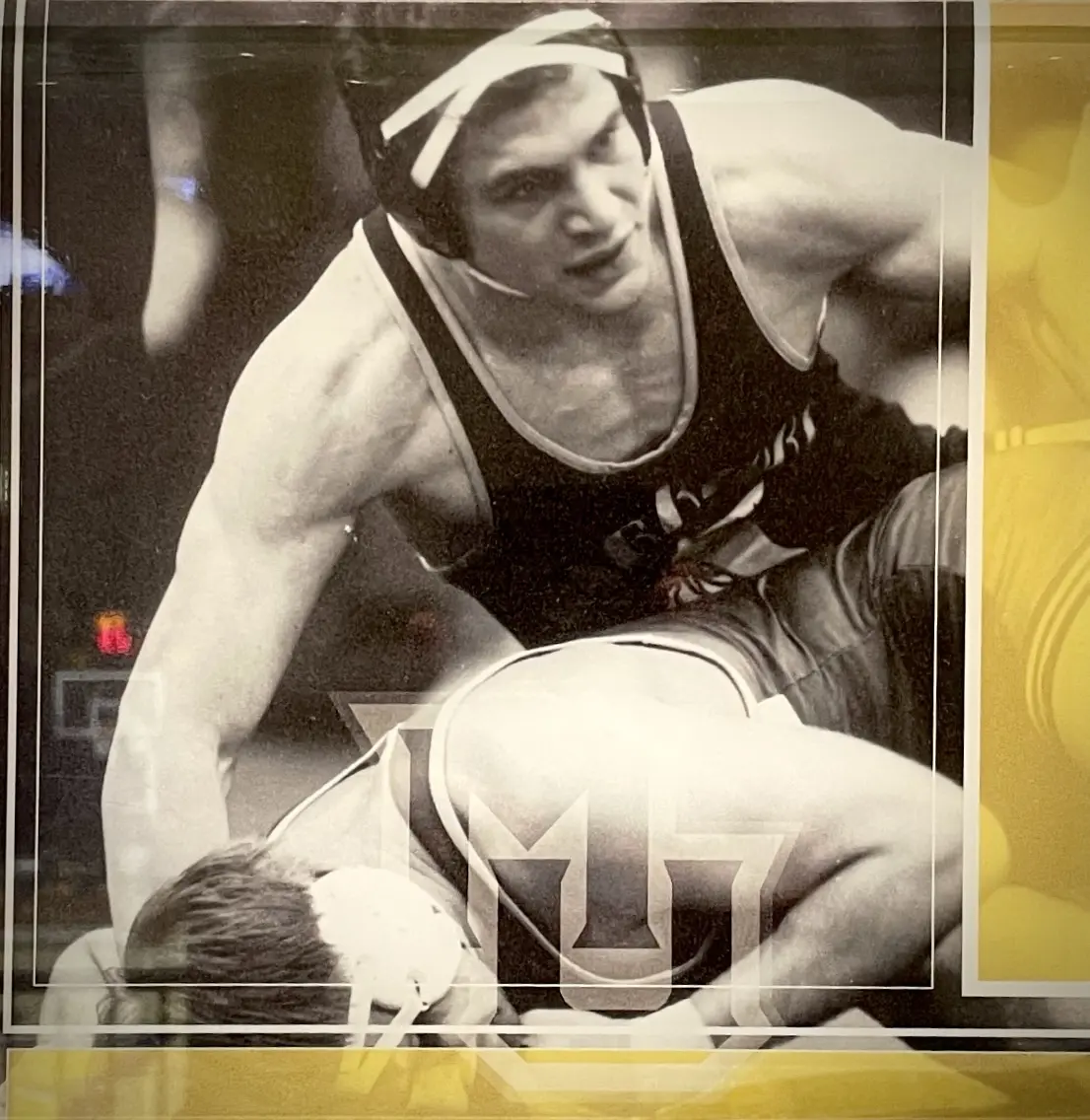
Division I All-American wrestlerTwo-time national pin leader, national freestyle and Greco-Roman champion, and Hall of Fame athlete.
03
Coach, mentor, husband & homeschool fatherLessons tested in gyms, emergency departments, classrooms, and family life.
Education & credentials
Experience behind the work.
Clinical training, active professional credentials, and decades of leadership inform the medical and scientific perspective throughout the site and The Optimized Athlete.
Active credentials
Emergency Medicine
Board-certified in Emergency MedicineActive certification
FAAEMActive Fellow, American Academy of Emergency Medicine
Emergency physician & healthcare executiveMore than 25 years in emergency medicine
Medical education
Training
Emergency Medicine ResidencyResurrection Medical Center · Chicago, Illinois · June 20, 2001
Doctor of MedicineMedical College of Wisconsin · May 16, 1998
Bachelor of ScienceMarquette University, College of Arts and Sciences · May 23, 1993
Greenfield High SchoolGreenfield, Wisconsin · 1989
Continued learning
Health & Longevity
American Academy of Anti-Aging MedicineCertificate of Membership · March 30, 2022–March 30, 2024
Evidence-aware practiceOngoing study across performance, recovery, wellness, and longevity
Credential clarity: The A4M item reflects a time-limited certificate of membership, not medical board certification. Current clinical credentials are identified separately above.
Creativity & invention
See the problem. Build the answer.
The same habit that drives clinical improvement also drives invention: identify a real problem, understand the people affected, test a practical solution, and keep refining it.
Issued U.S. patent
Fist Furnace
A hand-warming invention developed with my brother, Troy Kumprey, translating an everyday cold-weather problem into a practical product concept.
U.S. Patent 10,010,121 · William T. Kumprey & Troy KumpreyPublished patent applications
Ladder Lockdown
Created by Troy Kumprey to address ladder stability and safety. Troy is the named inventor on published U.S. and international patent applications for the system.
Co-developed with Anthony Macasaet, MD, to improve how hospitals locate appropriate transfer destinations and coordinate time-sensitive patient movement.
NTR · Provisional patent application filed
Life in motion
Where the ideas become real.
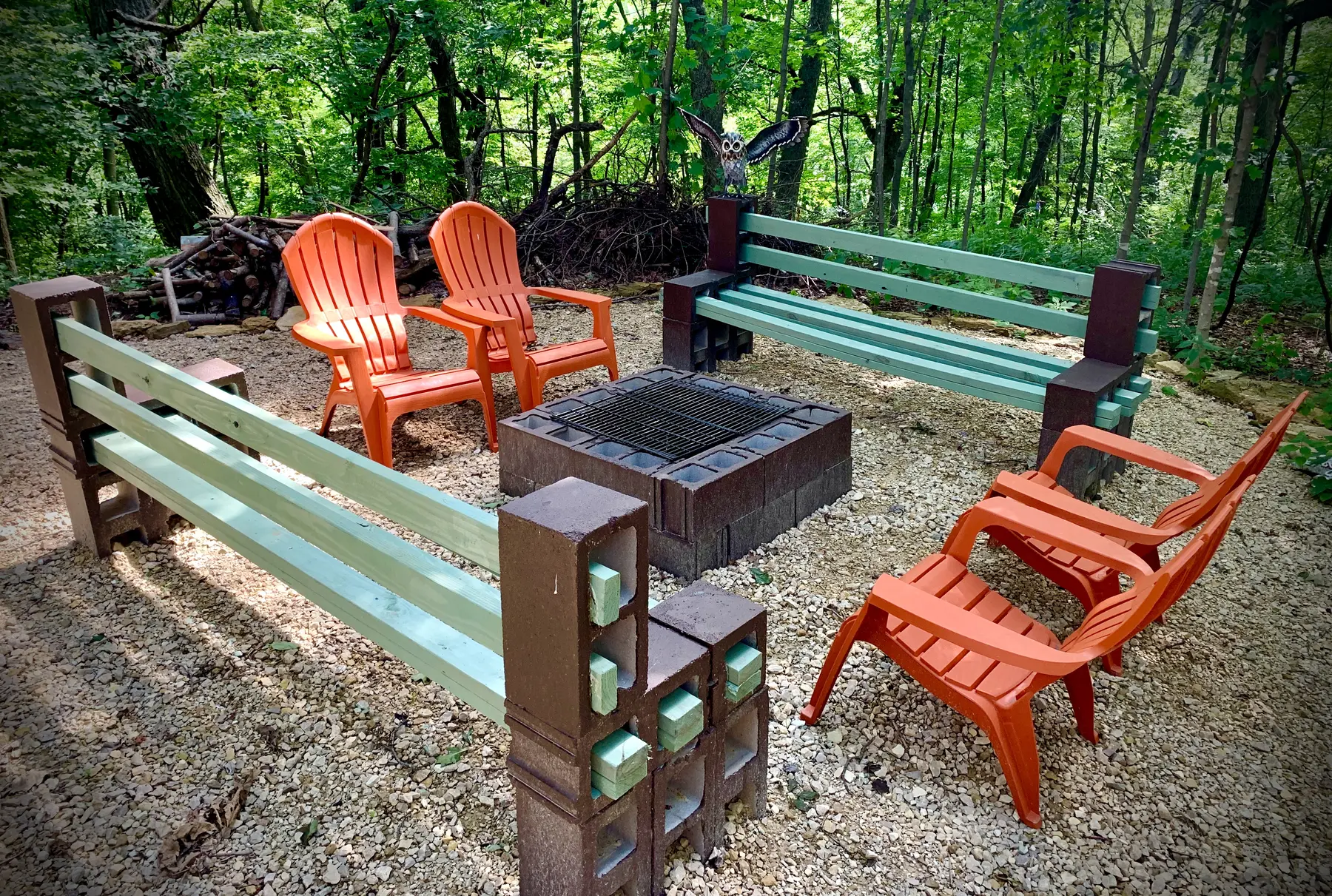
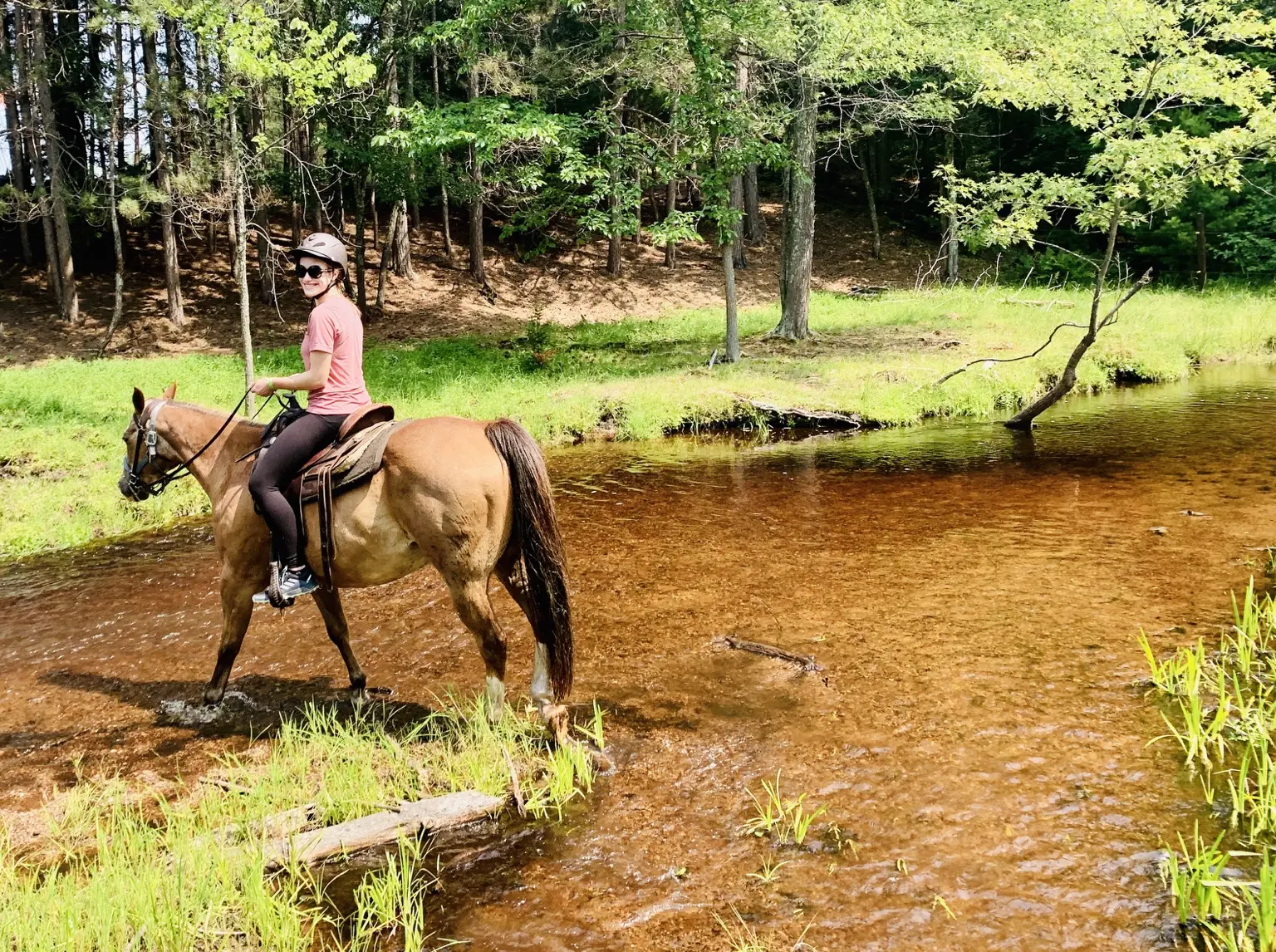
The work is lived in ordinary places: around the cabin fire, on a Driftless trail, with family, and in the moments when an athlete has to trust the preparation.
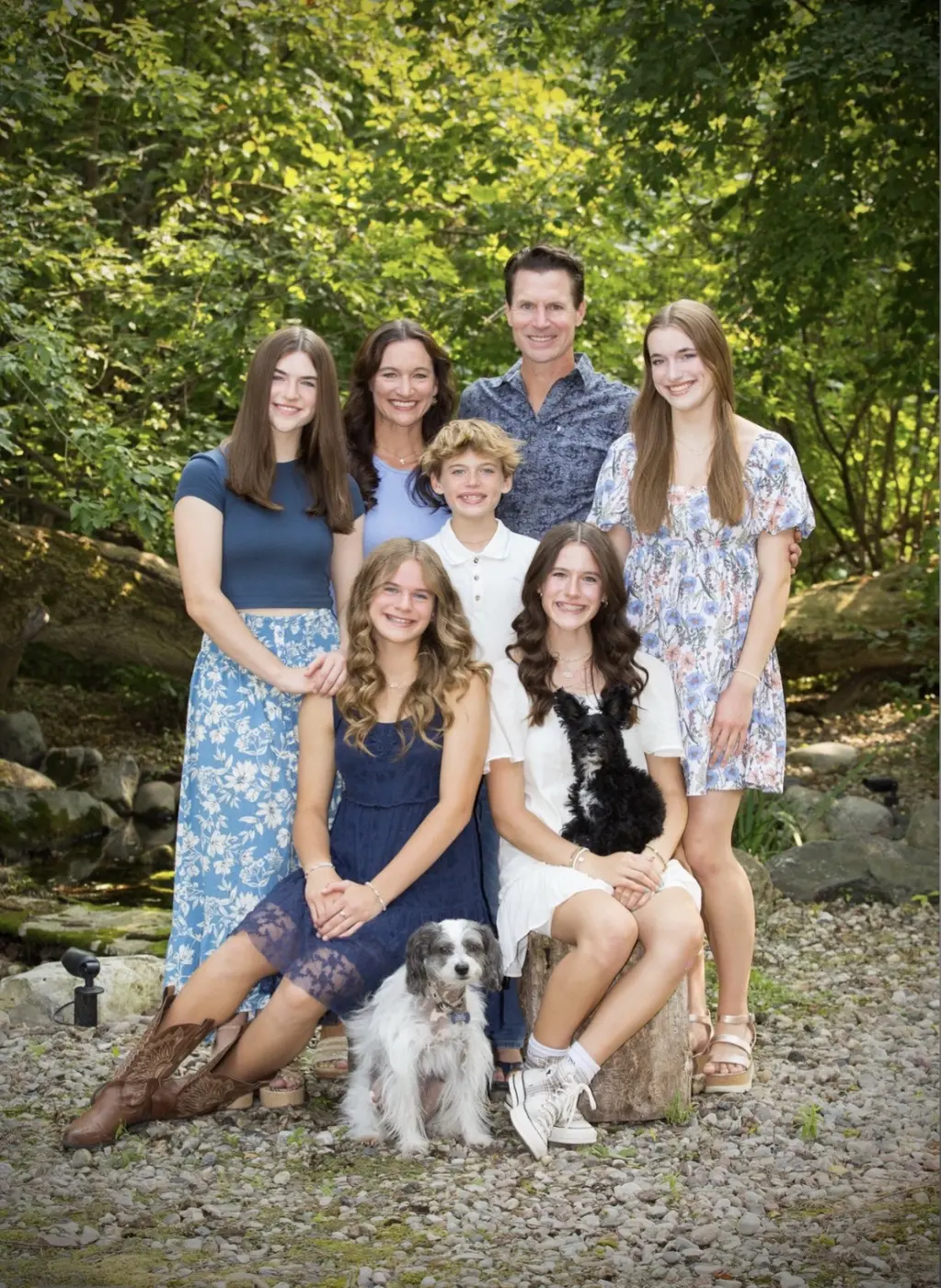
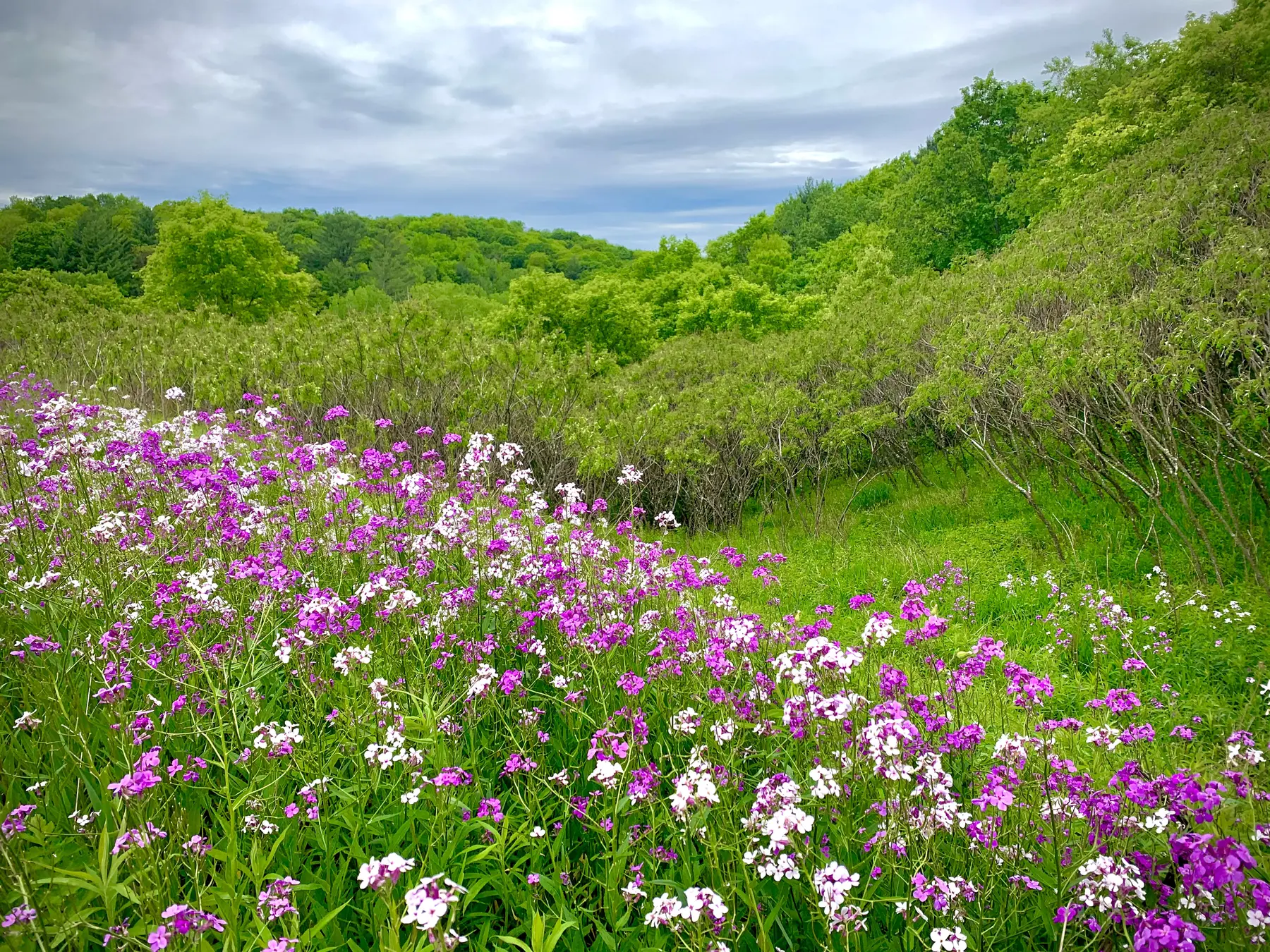
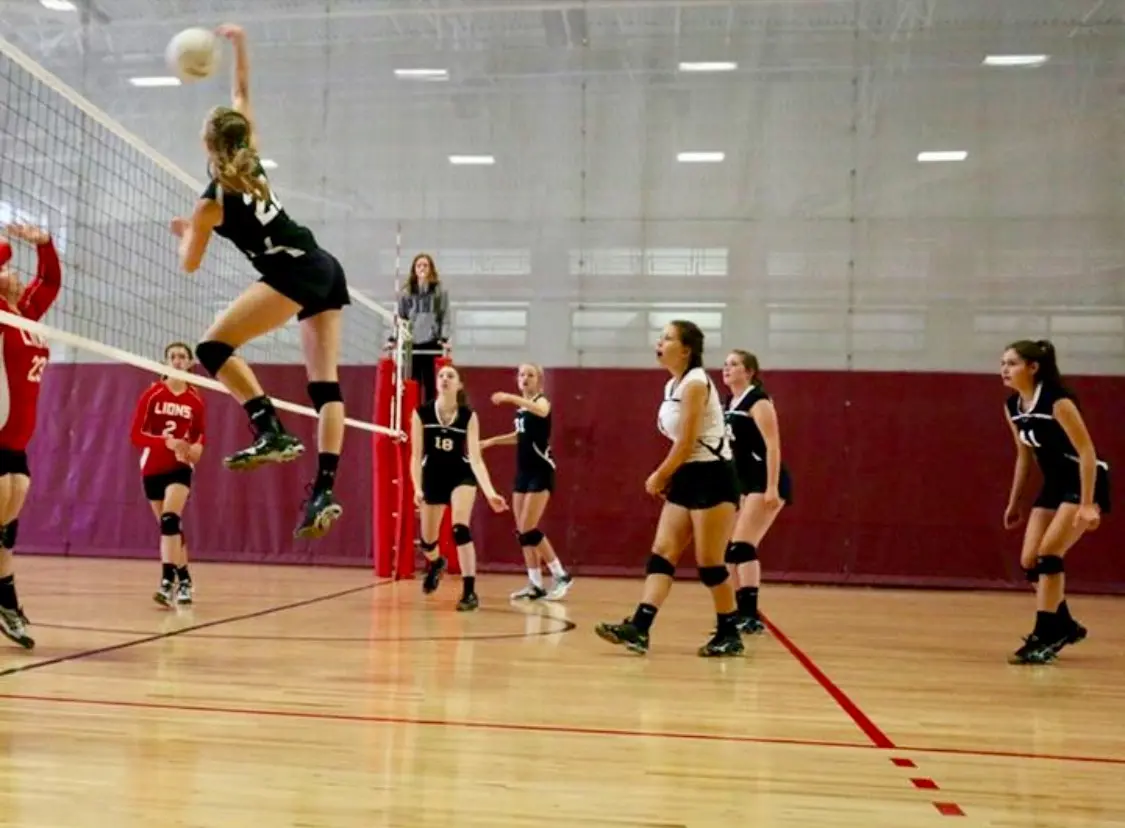
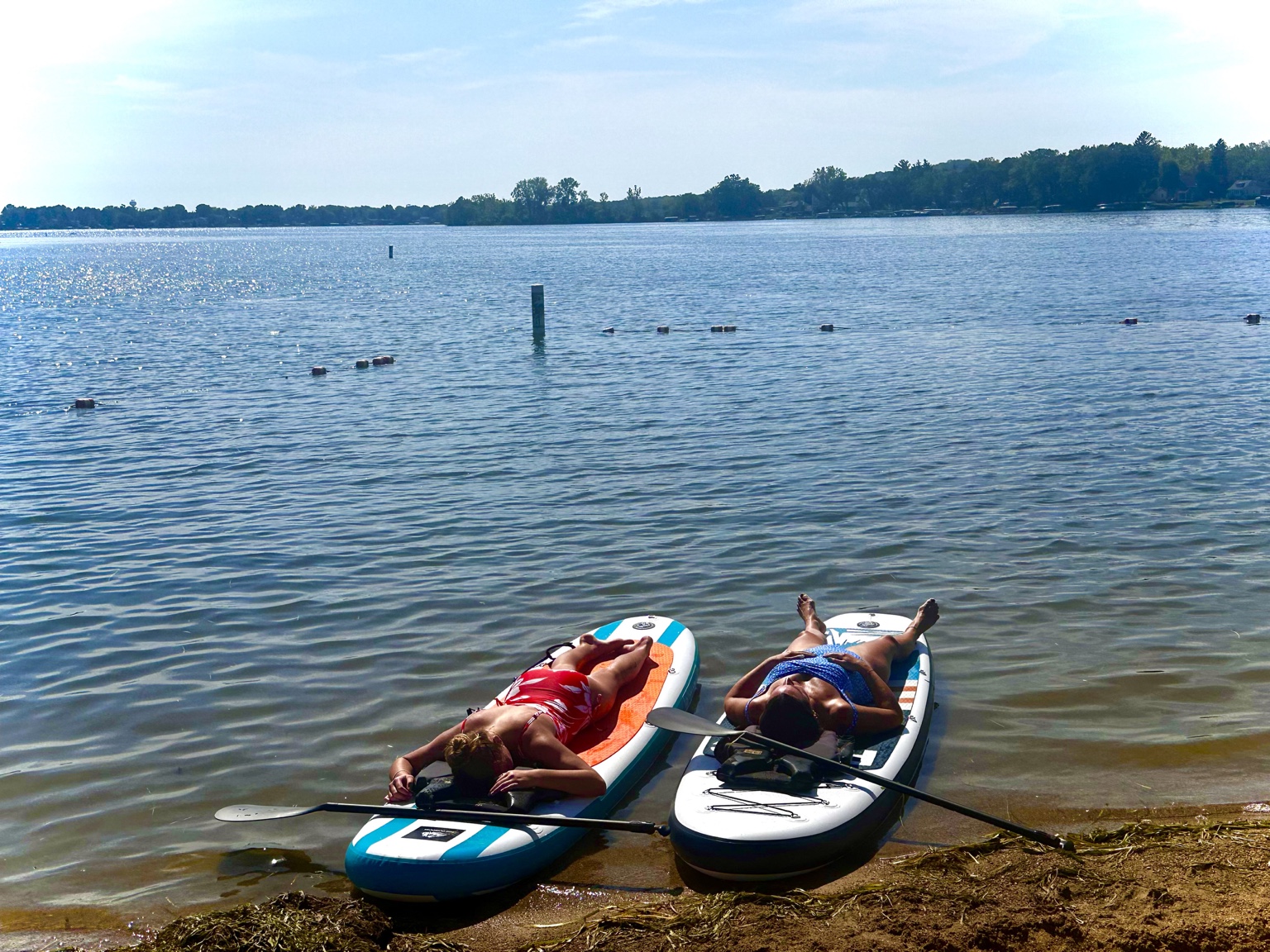
The cabinA place for recovery, reflection, and family.The first teamFaith and family keep every other pursuit in perspective.The Driftless AreaPerspective is easier to find outside.Skylar’s Gold Bracket championshipSkylar and SWCHA Volleyball celebrate a national championship from her high school years.London at gymnasticsPlay became courage, control, and commitment.College wrestling
“Affliction produces endurance, and endurance, proven character, and proven character, hope, and hope does not disappoint.”
Romans 5:3–5Make room for the windFire, conversation, and enough quiet to listen.Mom and WillowAfter some paddleboarding.
Home · designed with intention
Openness creates room to connect.
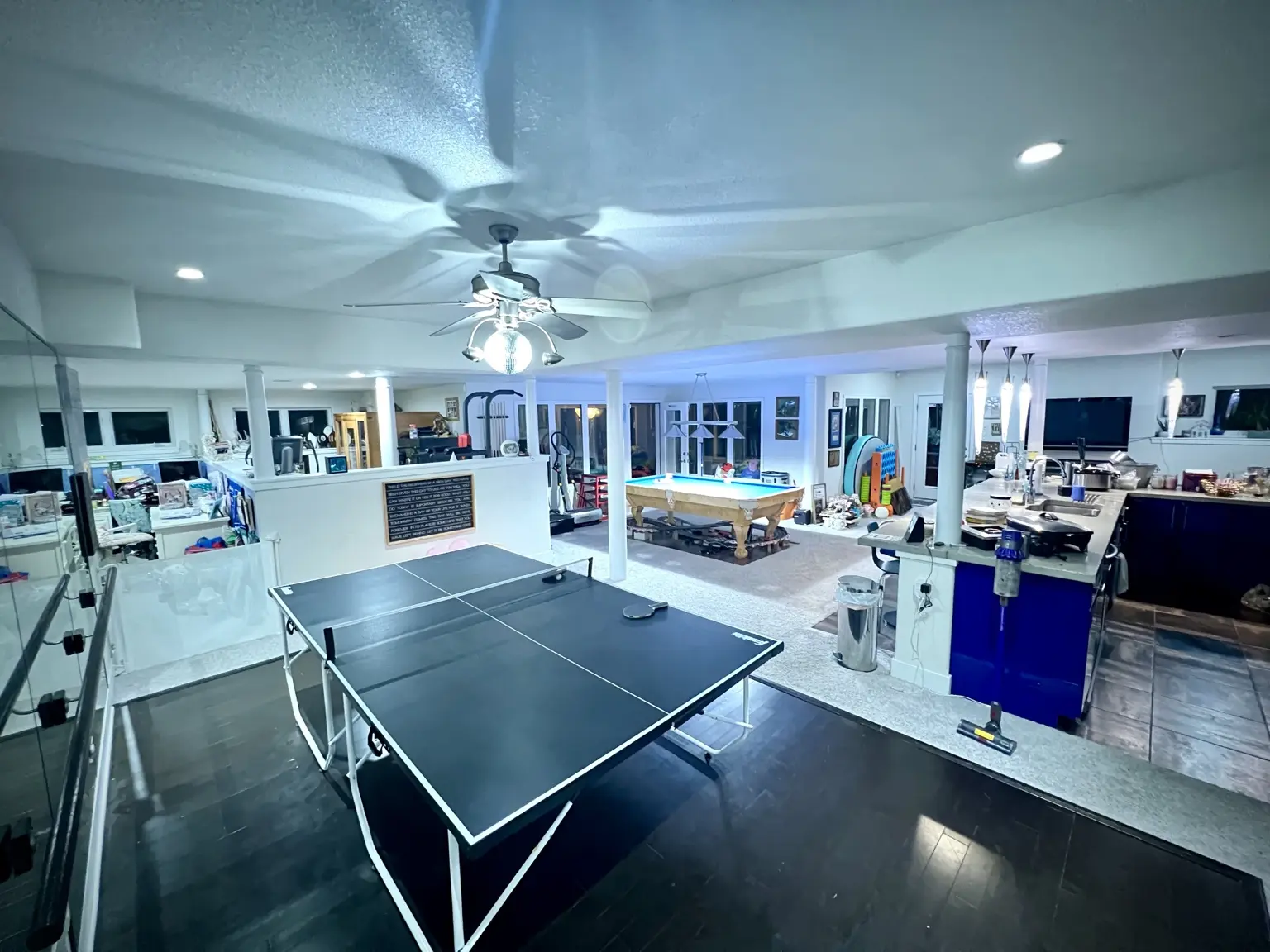
After touring home after home with a realtor, Becky and I still hadn't found what we were looking for. We spread graph paper across the table and sketched until the layout felt right, then asked a designer to bring it to life.
From the moment you enter, the first-floor great room opens into the kitchen, dining room, living room, playroom, and library. With few walls and glass railings along the stairways, I can stand at the kitchen counter and see into every shared space. A fire, a movie, a meal, or a conversation all have room to bring us together.
Driftless cabin · 20 × 17 feet
A small space with room to reset.
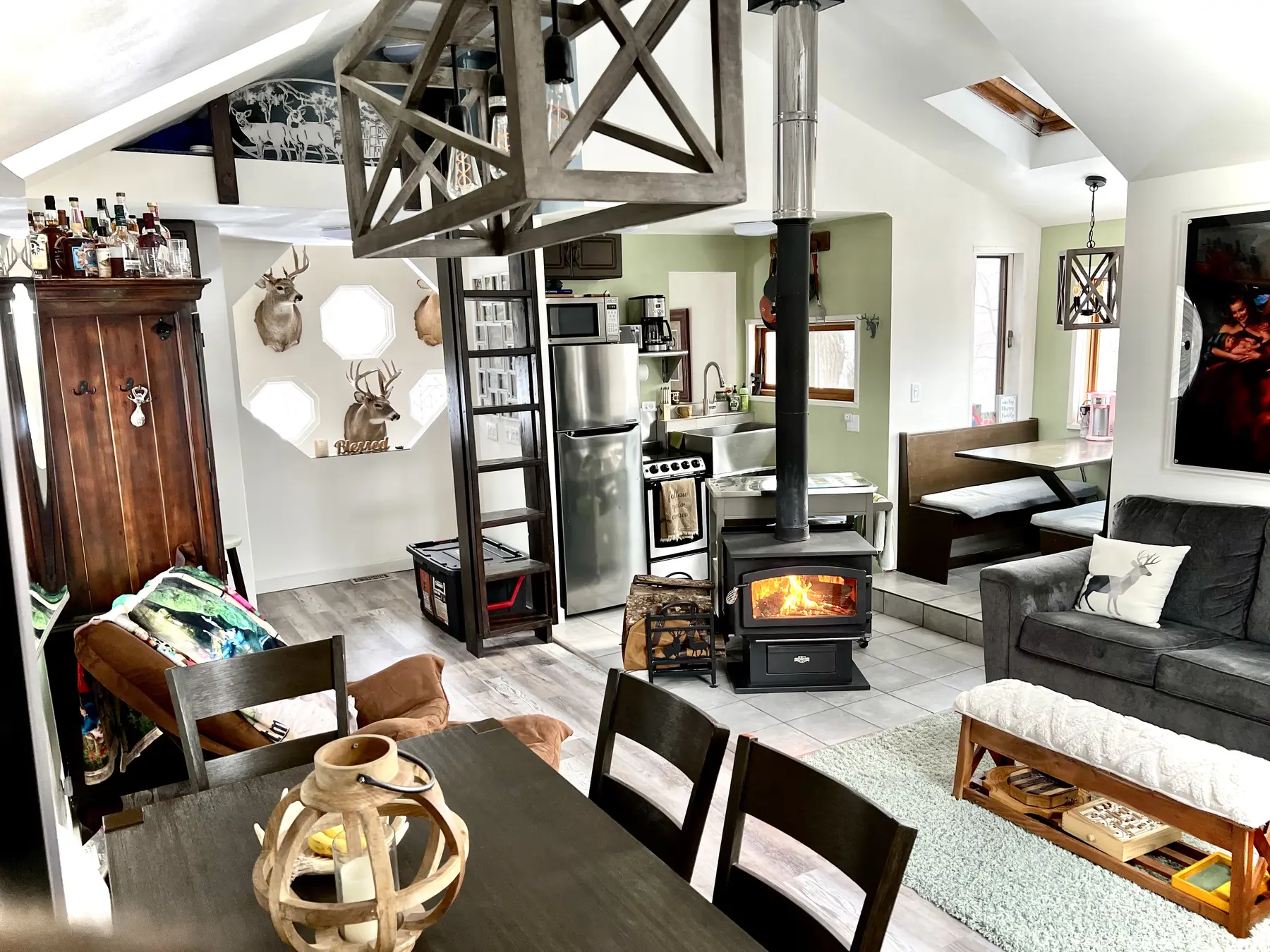
Our cabin is remarkably compact, but we designed it with the same intention as our home: openness, connection, and space to unwind together.
The upper level offers a peaceful place to slow down and recharge while staying connected to the living space below. A small footprint can still feel restorative when every part of it has a purpose.
Club volleyball · MADTOWN
Willow puts in the work.
A glimpse of the training behind a 16-year-old athlete’s club volleyball season.
When she was 11–12 years old. Her story is part of the book’s discussion of training load and recovery.
“The body was being asked to absorb breakdown without enough opportunity to rebuild.”
The Optimized Athlete
A story from the book
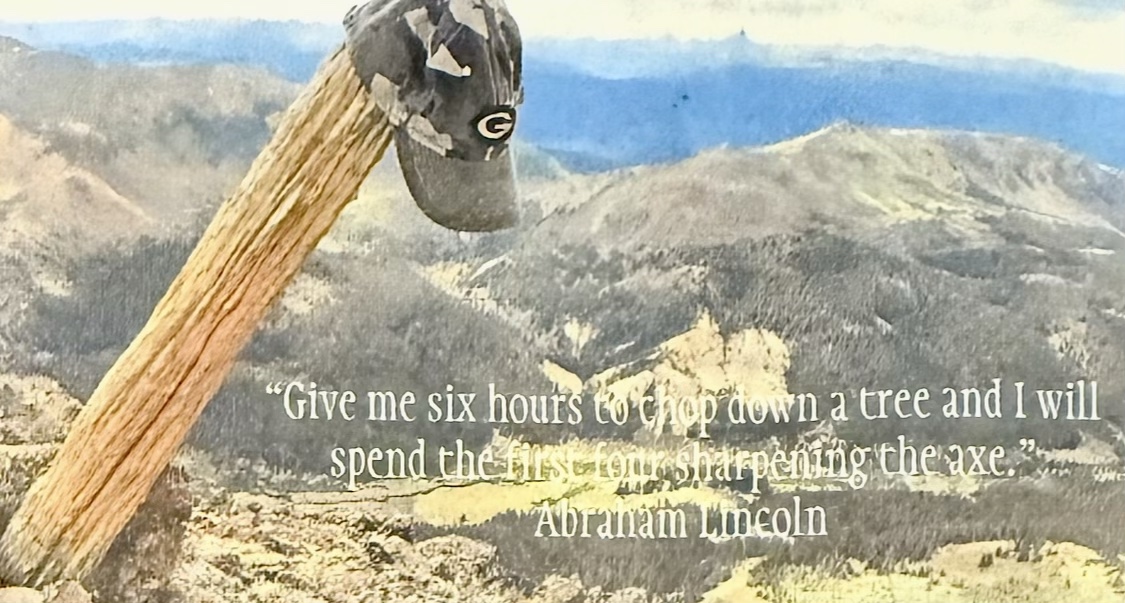
The race at 13,500 feet.
On Colorado’s Continental Divide, this Green Bay Packers hat sits on a post beside “the jar.” This is where I raced my brother and felt my heart rate climb—a moment I recount in The Optimized Athlete.
Get out in creation
Move beyond the screen.
Not every form of movement needs a stopwatch, a scoreboard, or a training plan. Ride. Hike. Paddle. Climb. Walk into the woods. Creation gives the body room to move, the mind room to quiet, and the soul room to remember what matters.
Make room for stillness
“Be still, and know that I am God.”
Psalm 46:10
Stillness is not the absence of effort. It is making enough room to remember who God is, who we are, and what matters.
A shooting star at Fort WildernessLooking up from the pier beside the rope swing, I caught the shooting star as the green line crossing the night sky.
Built for play
Make movement easy to choose.
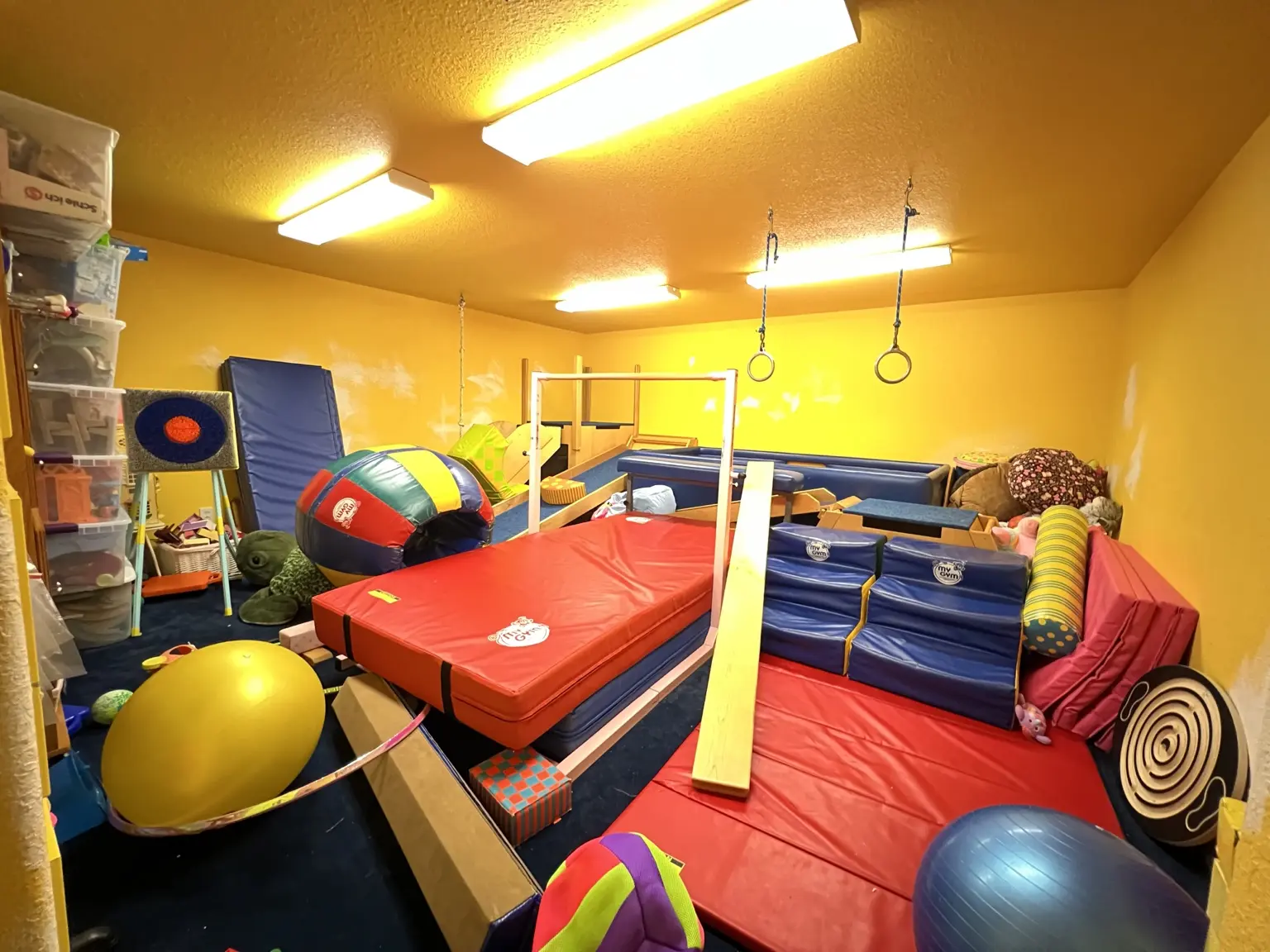
Children move more when activity is visible, accessible, and shared. The goal is not an impressive collection of equipment. It is to create many invitations to climb, swim, skate, play, imagine, and spend time together.
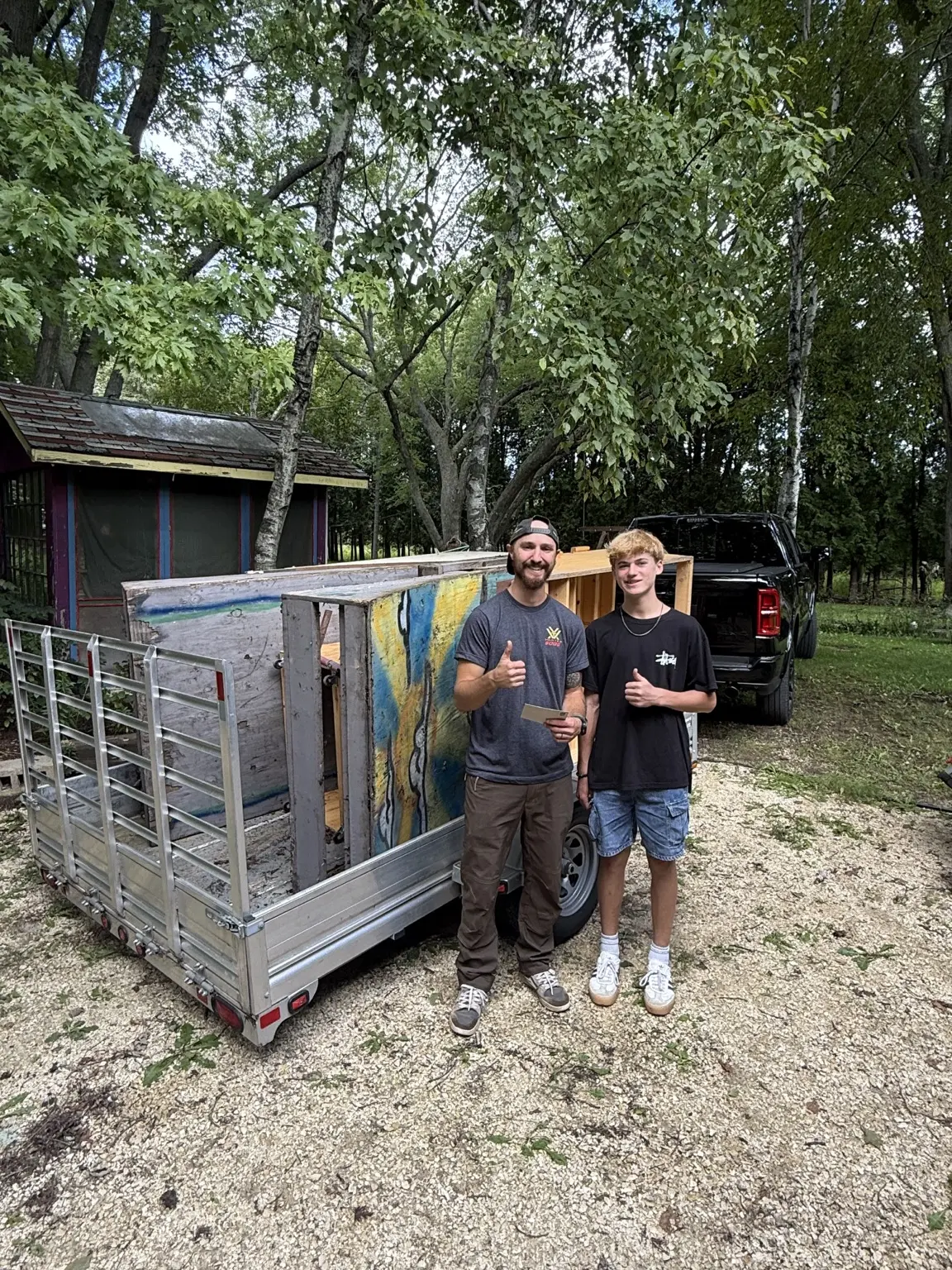
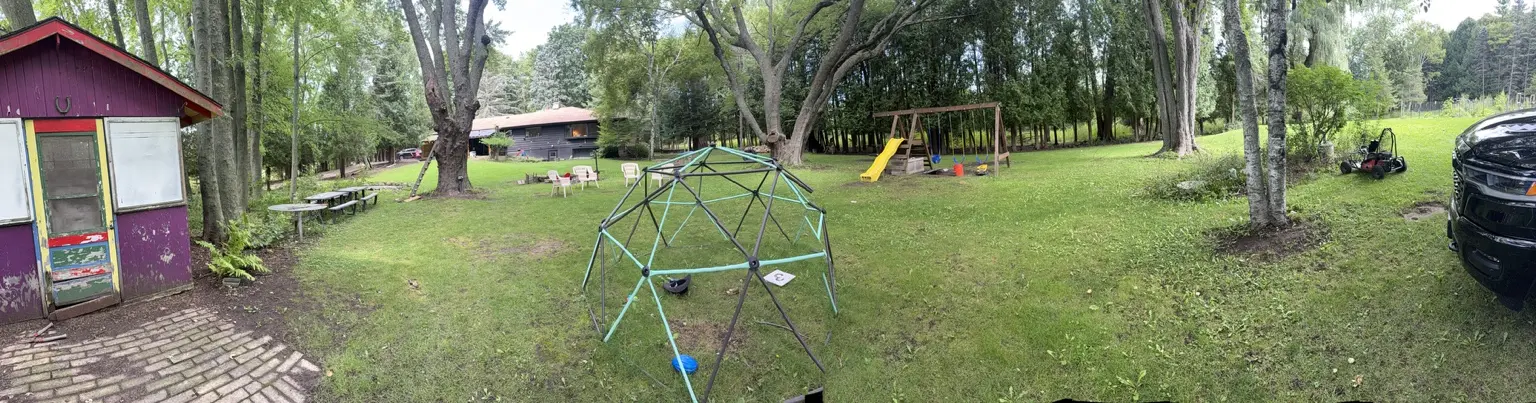
A gift passed forwardJosh and Silas with the ramps that found a new home.Josh’s backyardRoom to climb, swing, ride, and play together.
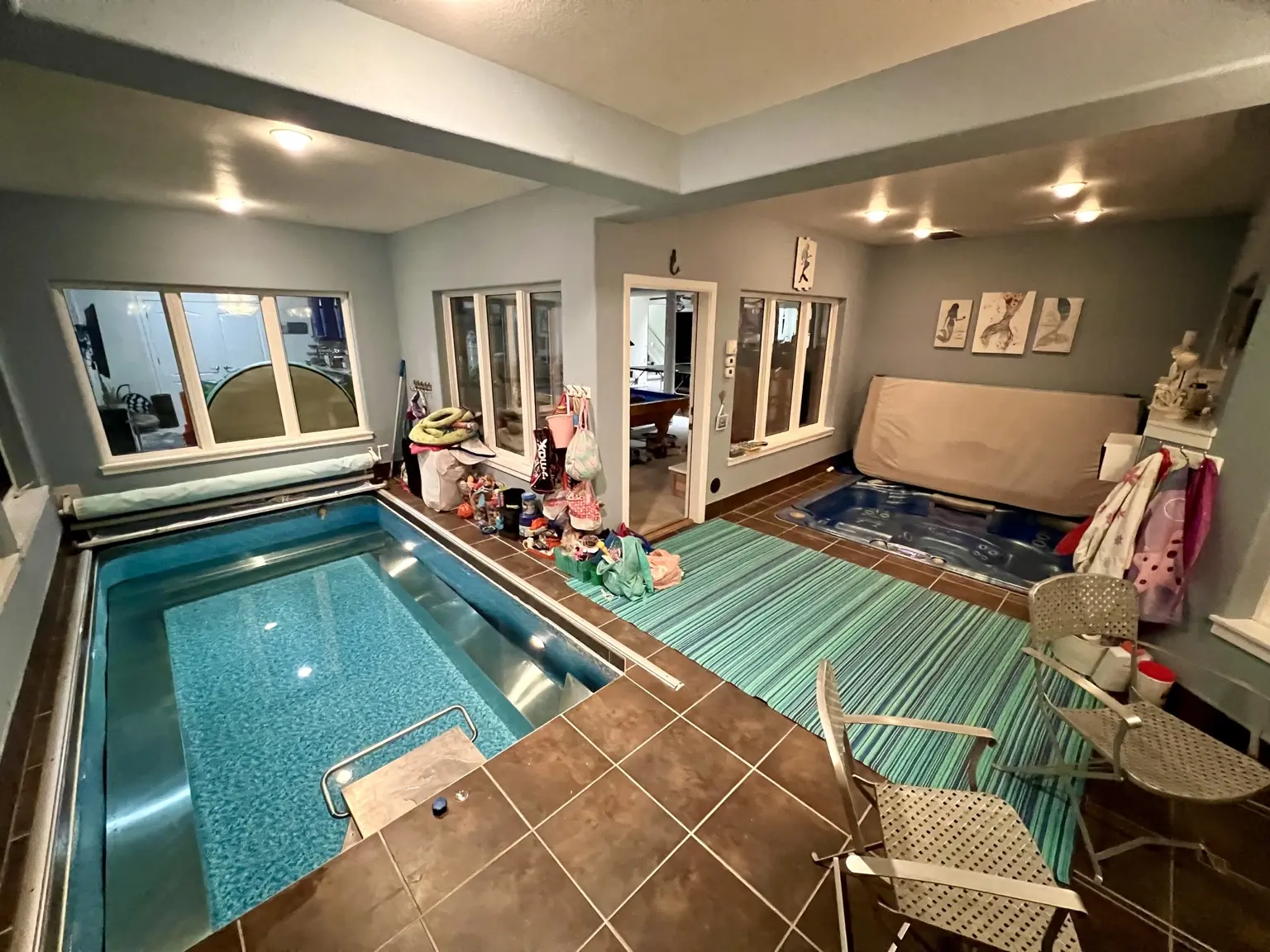
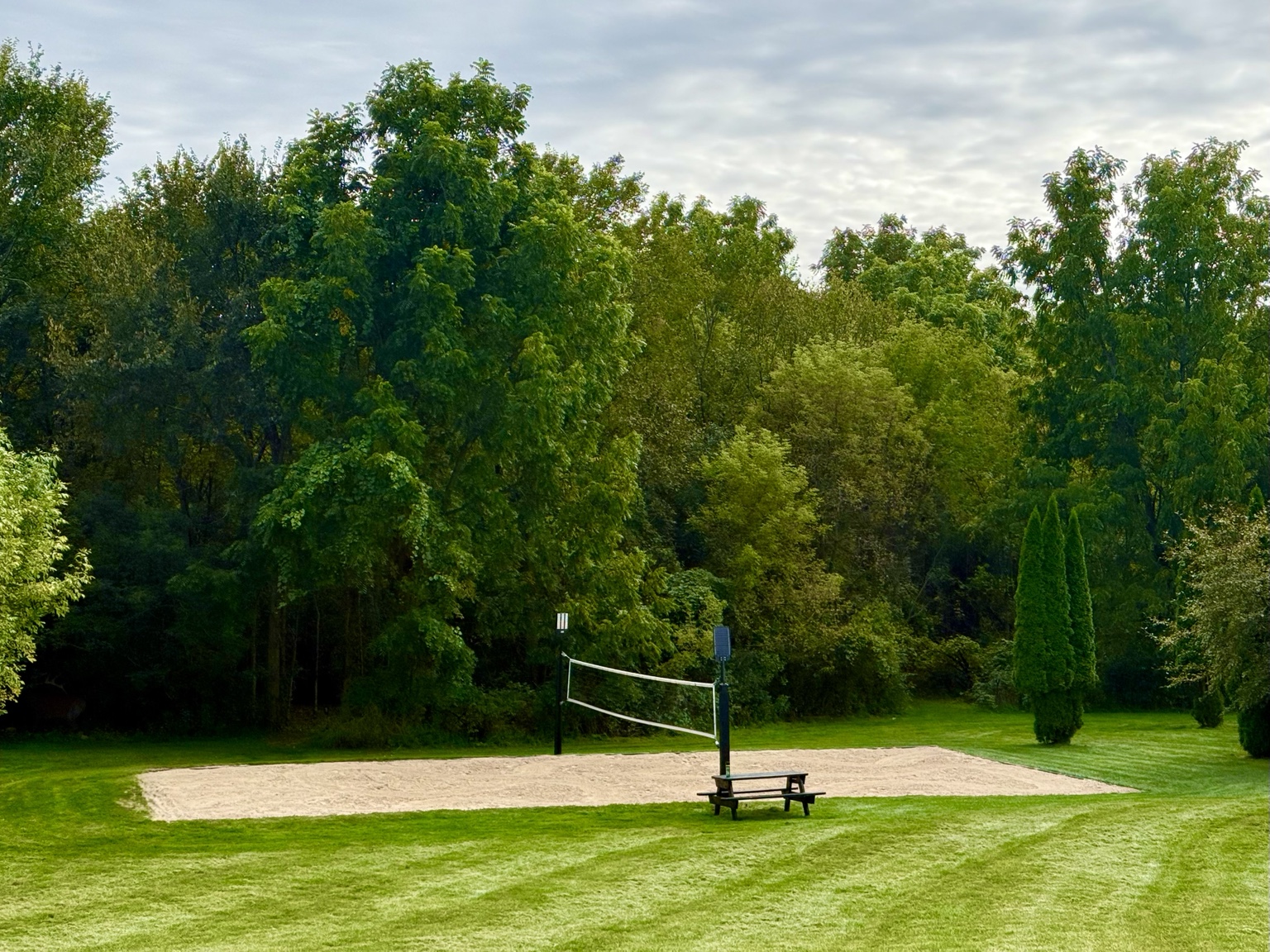
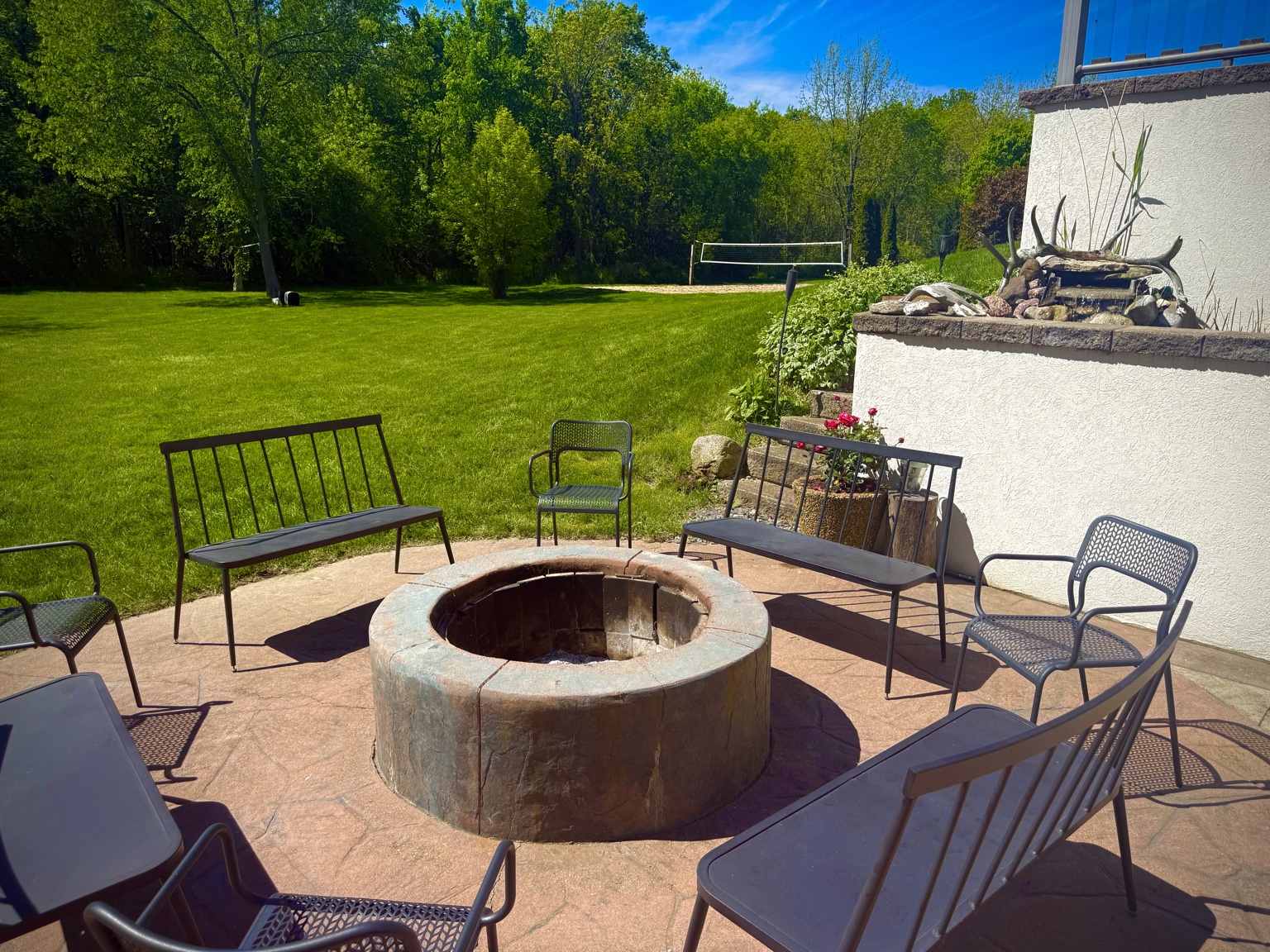
Year-round movementSwimming, recovery, and family time under one roof.Movement within reachMore ways to play, train, compete, and connect.Start with playMats, rings, a ball pit, and room for young children to explore movement.Our backyard volleyball courtA place to play, practice, and gather at home.Our backyard fire pitA place to gather after the game.
When Josh and his family prepared to move to Tennessee, he wanted the skateboard ramps to go to another family that shared his commitment to raising active children. A cardiac perfusion technologist, Christian homeschool father, and generous neighbor, he refused payment. The ramps became more than equipment; they became an example of community, stewardship, and one family helping another keep childhood active and adventurous.
From the book
Developing the Child
We aren’t raising vertical jumps. We’re raising people who jump. We aren’t developing batting averages. We’re developing people who hit baseballs. We aren’t manufacturing wrestling records. We’re developing human beings who happen to wrestle.
Some of those children may become elite athletes. Most won’t. The childhood needs to have been worth it either way.
Today we could probably have a performance specialist analyze childhood play and identify acceleration, deceleration, lateral movement, reactive agility, hand-eye coordination, balance, trunk rotation, irregular-surface proprioception, and aerobic conditioning. We called it playing in the woods. A child’s body doesn’t care whether you call something “neuromuscular training.” It responds to the stimulus.
An excerpt from The Optimized Athlete
The Optimized Series
A larger conversation.
The first book begins with athletes, but the deeper questions—how we live, lead, serve, and form a family—reach far beyond sport.
Book one
The Optimized Athlete
Performance, health, character, relationships, and purpose—built as one system.
In developmentFuture book
The Optimized Parent
Raising capable, grounded children while protecting connection, curiosity, and faith.
PlannedFuture book
The Optimized Life
Applying disciplined stewardship to health, work, relationships, meaning, and legacy.
PlannedMedical offshoot
The Optimized Physician
Sustainable excellence, healthy teams, and humane leadership in modern medicine.
Exploring
Media & national speaking
Medicine made useful.
Selected television interviews, national healthcare conversations, and practical reporting on emergency care, environmental health, leadership, and the health of families and communities.
CNNNational physician interview · August 2026
Flood recovery
Featured national appearance
The danger does not end when floodwater recedes.
Live from CNN New York, Dr. Kumprey discussed the injuries and illnesses that can follow a flood: unsafe structures and electricity, contaminated wounds, carbon monoxide, heat illness during cleanup, gastrointestinal illness, skin infections, mold, and respiratory problems.
Short, practical guidance for common questions—what deserves emergency care, what may fit urgent or primary care, how to reduce seasonal risks, and which daily habits support a longer, healthier life.
Emergency questions
Emergency department, urgent care, or your doctor?
Start with severity, speed, and risk. New severe symptoms, breathing trouble, fainting, stroke signs, major bleeding, or rapidly worsening illness belong in emergency care.
Tick-borne illness: prevent, recognize, and respond
Make the bite less likely.
Use an EPA-registered repellent, consider permethrin-treated clothing and gear, cover exposed skin when practical, check the whole body after outdoor activity, and remove attached ticks promptly.
Use fine-tipped tweezers close to the skin and pull upward with steady pressure. Do not burn, twist, or smother the tick.
Record the date and, when possible, save a clear photo of the tick and bite area.
Watch over the following days and weeks for fever, chills, headache, fatigue, muscle or joint aches, swollen nodes, or an expanding rash. A rash is not present in every case.
Contact a clinician if symptoms appear or if the tick was engorged or may have been attached for a prolonged period. Preventive antibiotics are appropriate only in selected circumstances.
Call 911 for new chest pressure, squeezing, fullness, or pain—especially when it lasts more than a few minutes, returns, or occurs with shortness of breath, sweating, nausea, lightheadedness, fainting, or discomfort in the arm, back, neck, jaw, or stomach.
Call 911 rather than driving yourself when a heart attack or other life-threatening problem is possible.
New unexplained chest pain deserves prompt professional assessment even when symptoms seem mild.
Urgent care and routine appointments are not substitutes for emergency evaluation when warning signs are present.
Severity and associated symptoms change the answer.
Emergency evaluation is appropriate for sudden or severe pain, a rigid or very tender abdomen, fainting, vomiting blood, blood in the stool, chest pain, inability to pass stool with vomiting, or severe pain during pregnancy.
Same-day care is appropriate for persistent or worsening pain, repeated vomiting, dehydration, fever, urinary symptoms, or pain focused in one area.
Mild, stable, recurring symptoms without warning signs may begin with primary care, where patterns and longer-term testing can be addressed.
If the person looks seriously ill or you are uncertain about safety, choose emergency evaluation.
Important: This material is general education, not a diagnosis or a substitute for care from a clinician who can evaluate you. If symptoms are severe, rapidly worsening, or feel life-threatening, call 911 or seek emergency care.
Coming next
Short articles, podcasts, and cabin conversations
Focused answers—often five minutes or less—on emergency medicine, seasonal health, athlete health, wellness, leadership, and the evidence behind common claims.